From Events to Cultural Platforms: What Tidal Rave Taught Us About Youth Engagement
Live Events · Tidal Rave
Every year, brands pour billions into capturing the attention of the youth demographic. Yet, a vast majority of these campaigns fall flat, dismissed as inauthentic or outright ignored. Why? Because the prevailing playbook still treats young people as a passive audience to be spoken at, rather than a vibrant community to be engaged with.
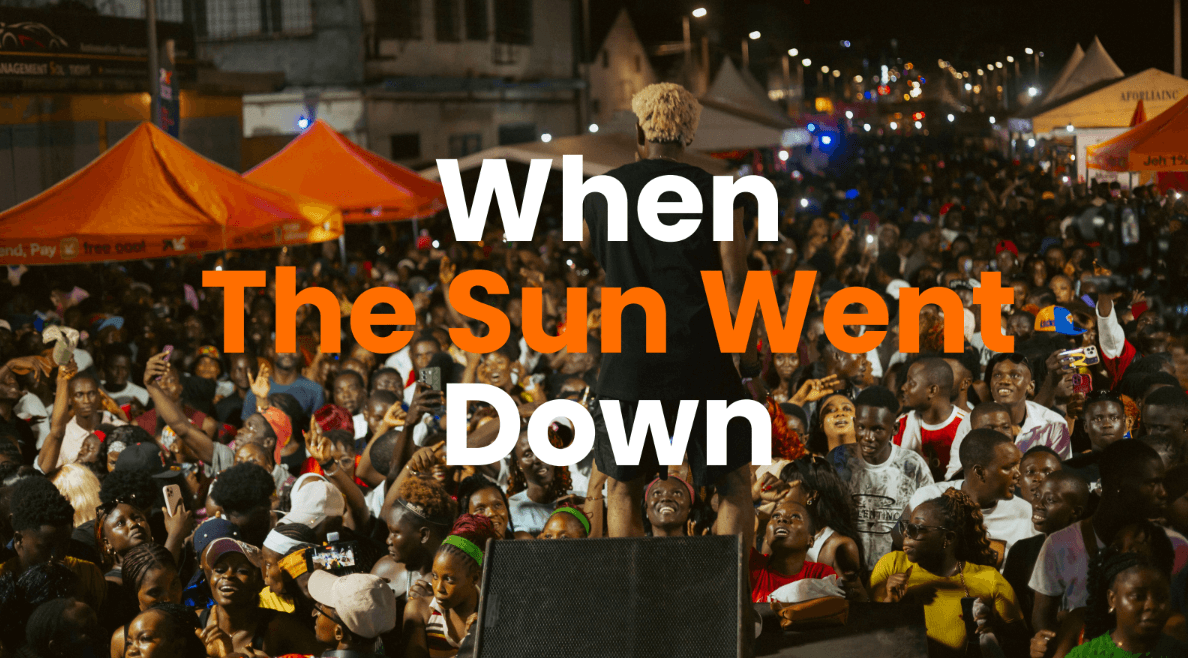
When Tidal Rave Festival was first created, our foundational idea was simple: bring tertiary and university students together during their long vacation break to reconnect with friends and enjoy shared experiences. Over time, however, the initiative organically evolved into something far bigger than a seasonal event. It transformed into a youth platform, a cultural meeting point, and a living demonstration of how brands can truly connect with Gen Z and young millennials through immersive experiences rather than disruptive advertising.
Here are the definitive lessons we’ve learned about youth engagement, experience design, and cultural amplification from building Tidal Rave.
The Myth of the Passive Consumer One of the most profound lessons we’ve learned is that young people do not engage with culture passively; they participate in it. They are not just looking for a show to watch; they want spaces where they can express themselves, create memories, discover new talent, and feel part of something larger than their everyday lives. This insight fundamentally shaped how we approached our campaigns. The objective shifted from mere visibility or brand awareness to co-creation. We realized that to win with this demographic, you must build moments they can emotionally connect with. The goal is to drive cultural relevance and position brands seamlessly within moments of identity, expression, and community. This is especially vital when working with campus audiences, who sit at the absolute epicenter of youth culture, actively dictating conversations, trends, behaviors, and social movements in real-time.
The Primacy of the Physical in a Digital World We live in an era dominated by screens, yet one thing became abundantly clear: youth culture is best experienced live.
Digital platforms are undeniably powerful for reach, but for this audience, physical experiences generate a deeper level of trust and emotional resonance. Young people want to feel the bass, absorb the energy, and exist in the moment—not just watch it on a timeline. They trust what they can experience alongside their peers in real-time.
That is why Tidal Rave Festival was intentionally engineered as a live cultural experience rather than a promotional vehicle. A live environment allows us to: Capture authentic, unfiltered youth energy. Create moments that invite active, physical participation. Generate instant social proof through atmosphere, crowds, and organic interaction.
Designing Worlds, Not Campaigns Over the years, we hit a definitive turning point. Tidal Rave stopped being “just an event.” Upcoming artists began using it as a launchpad into the mainstream. Established artists cited the platform as a milestone in their careers. Content creators emerged from the event’s ecosystem, using recap videos to forge career-defining opportunities. Even young entrepreneurs and vendors began actively seeking access because the festival had evolved into a high-demand, high-visibility marketplace. That shift changed our entire philosophy regarding experiential marketing. Transforming a campaign into a live experience requires abandoning traditional communication design in favor of experience design. Instead of asking, “What do we want people to see?” the crucial question becomes, “What do we want people to feel, do, and remember?” For us, this means building immersive worlds instead of one-directional campaigns. It requires designing audience behavior, crafting multi-sensory environments, and ensuring participation sits at the core. Music, fashion, food, staging, social interaction, creator culture, and brand activations must all synergize to create total immersion.
The New Rules of Brand Integration In experiential spaces, entertainment must lead. The audience is there for enjoyment, emotion, and connection. Therefore, the role of a brand is not to interrupt the experience, but to enhance it. The most effective brand integrations happen when the brand is felt naturally through the environment rather than aggressively explained through a megaphone. When brands provide utility—whether that is an aesthetically pleasing lounge area, a seamless payment integration for food vendors, or an interactive photo installation—they become a valued part of the cultural fabric rather than a corporate intruder.
The Invisible Architecture of Culture Of course, large-scale live experiences come with immense operational and financial complexity. What audiences (and often brands) rarely see is the relentless, invisible coordination happening in the background to protect the magic. From sponsorship structures and ticketing to logistics, crowd management, vendor coordination, and real-time problem-solving, every layer must align perfectly. Live events are incredibly fluid. Something is always changing—a delayed artist, a technical glitch, a sudden weather shift, or a crowd flow challenge. The real work of an experiential marketer is ensuring those background frictions never break the audience's immersion.
The Bottom Line The impact of this experience-first approach speaks for itself. Our 2026 Tidal Rave editions across Ghana and Liberia achieved unprecedented scale: Attendees: Over 32K highly engaged young people. Digital Reach: More than 40 million reach generated organically by the culture itself. But beyond the impressive metrics, the ultimate achievement is this: Tidal Rave stands as undeniable proof that when brands stop trying to market to young people and start building spaces they genuinely want to belong to, culture will do the amplification for you.